
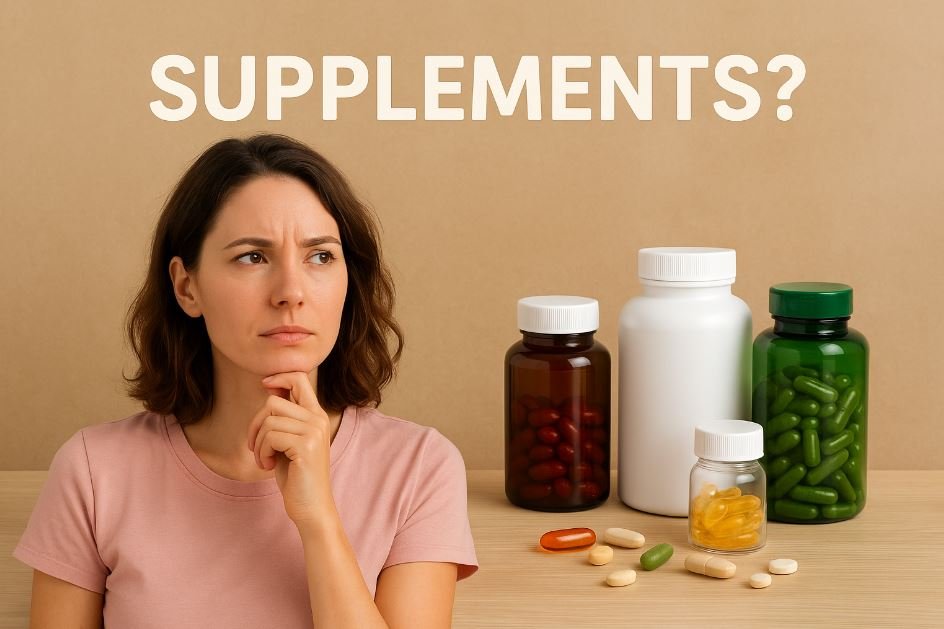
If you’ve ever typed “Which supplements should I take?” into Google, you’ll know just how overwhelming the answers can be. Supplements can feel like both lifelines and a confusing checklist especially for women trying to balance hormones, energy, stress, and nutrition in a fast-paced world.
Many of us grew up in a generation where supplements weren’t common. They were often dismissed as unnecessary or “too much.” We simply pushed through periods, puberty, and even episodes of depression without understanding that our bodies might have been silently asking for support.
How Supplements Supported My Recovery
In my early twenties, I started to take a closer look at how supplements could enhance exercise recovery and performance. Over time, this exploration evolved into a foundational part of my wellbeing routine. I began getting regular blood tests, learning about nutrient deficiencies, and fine-tuning what my body needed based on my lifestyle.
For example, as a vegan for seven years, I took Vitamin B12 drops daily to support energy levels and nerve health, something many plant-based eaters tend to miss out on. Later, when I struggled with anxiety and stress-related fatigue, Ashwagandha and Magnesium became a gentle yet powerful ally in helping my nervous system find balance again.
After two years on anti-anxiety medication, antidepressants, sleeping pills, PTSD medication, and the antipsychotic Quetiapine, my hormonal system went haywire. In 2023, after coming off these medications, my hormonal system became unbalanced. Withdrawal symptoms included weight gain, severe acne, and disconnection from my body along with the nausea and low mood that often which I had never experienced before.
During one salon visit in Auckland, I met a lovely lady who shared how antidepressants had disrupted her hormones and how she found balance again with 30 Plus NuWoman Hormone Support, available in New Zealand. That’s when I turned to hormone support. Bless her soul for opening up that day. We need to talk more openly about what truly helps women heal.
Similarly, a Chinese medicine practitioner and a few women I met at a local church community event spoke about Vitex as a life-changing supplement for hormonal balance and emotional wellbeing.
For nutrition, I made sure to eat fatty fish and omega-3-rich foods like flax seeds, added dark chocolate, berries, and beets for their antioxidant benefits, and began practicing intermittent fasting (16:8 and 24–36 hours on weekends) to stimulate BDNF (Brain-Derived Neurotrophic Factor) which a key protein involved in nerve regeneration and mental resilience.
Another life changing diagnosis was in 2024 – I was diagnosed with lichen planus, an autoimmune condition that causes skin inflammation, irritation, and itchy lesions. It often develops or worsens during periods of chronic stress, as stress can disrupt the immune system’s balance and trigger inflammatory responses in the body. I visited Dr. Tannu at Komal Clinic (India), I was prescribed the Lichen Planus Skin Fact Kit by Fluence Pharma – a combination of supplements designed for daily rotation. I took an initial dosage of 3 months and within weeks, my stress improved, new lesions stopped forming, and my skin began to heal.
(Note: This is not a sponsored mention. Always consult your doctor before starting new supplements.)
Let us discover the different supplements that you can take for healthy mind, body and spirit.
1. Daily Non-Negotiables: The Foundational Supplements
Even the most balanced diets can miss key nutrients. These are your baseline essentials for energy, hormone health, and immunity.
2. Targeted Support Supplements That Calm, Nourish, and Balance
These are your targeted helpers if you struggle to sleep or are stressed, chosen for mood, energy, or hormonal balance.
3. Helpful Add-Ons: When Your Body Needs an Extra Boost
Optional supplements can help fill gaps or enhance vitality during high-stress or healing periods.
DISCLAIMER: This is informational and not medical advice. Always consult your healthcare provider before starting or stopping supplements especially if pregnant, breastfeeding, on prescription medication, or with chronic illness.
*Supplements interact with medications and hormones. Avoid iron unless you’re deficient. If you’re pregnant, breastfeeding, or taking thyroid or hormonal medication, consult your doctor first.
FAQs
1. Which supplements should every woman take?
Multivitamin, vitamin D₃+K₂, magnesium (choose form by goal), B12 (if vegetarian), and omega-3 are core. Add targeted items per lab and symptoms.
2. Can vitamin B12 deficiency cause nerve damage?
Yes, prolonged untreated B12 deficiency can cause neurological changes and neuropathy; early detection helps recovery.
3. Is magnesium L-threonate better for sleep and brain health?
Evidence suggests magnesium threonate is more effective at crossing the blood-brain barrier and may improve sleep and cognition versus some other forms.
4. How much omega-3 should I take?
A common starting point is ~1,000 mg combined EPA+DHA daily; clinical doses vary by condition and should be discussed with your clinician.
5. How long until herbs like ashwagandha or vitex work?
Ashwagandha often shows benefits in weeks (6–8 weeks in trials); Vitex usually needs 2–3 menstrual cycles to evaluate effect.
Want a personalized plan?
If you’d like a lab-guided supplement schedule, interaction review, and a plan that fits your story and medications, book a Nutrition & Supplement Consultation with Serenova Coaching. We’ll review meds, labs and symptoms and design a simple, safe plan you can follow. Visit serenovacoaching.com or DM @serenova_coaching on Instagram.
REFERENCES
Serenova Coaching copyright ©2026. All rights reserved. The brand, logo, and its content are copyrighted. For more details, please read our Privacy Policy.