
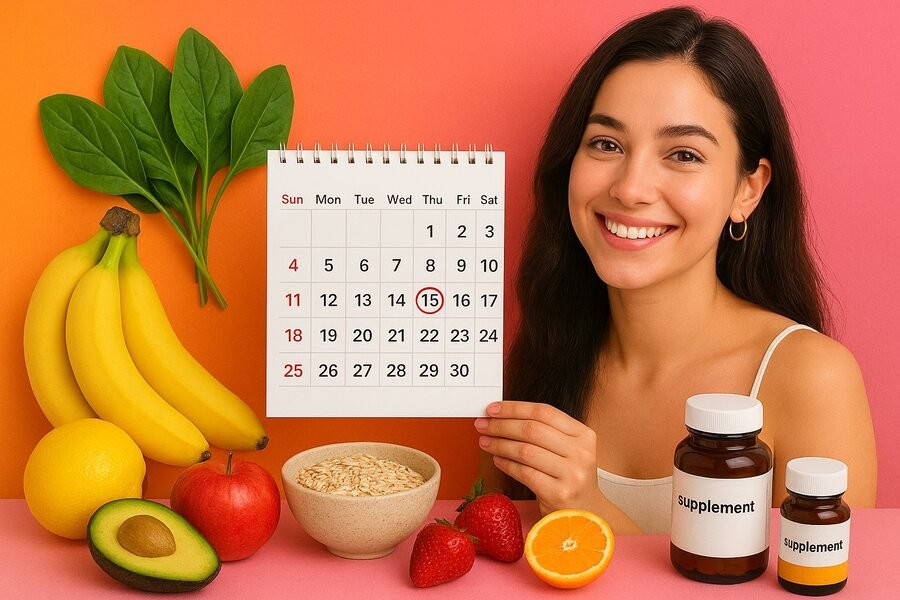
When I got my first period, it felt like stepping into a secret world. The blood stains, the extra layers of shorts for protection, the whispered warnings about “those five days”, it was as if a piece of freedom was taken away. And to add to it it felt shameful, not natural. It was all terrifying.
I still remember a classmate bleeding so heavily she was rushed to the nurse’s room. Her clothes were changed, and we were all frightened, embarrassed, unsure of what to do. The boys, unaware and uneducated, giggled in ignorance.
Every year, the Stayfree sanitary pad company would visit our school to teach us how to wear a pad and when to change it. But no one spoke about pain, hormones, mood changes, or what a healthy period should feel like.
Like threading our eyebrows or managing underarm hair, we learned about our bodies through trial and error, often with misinformation and shame. Over the years, I’ve experienced everything from cramps that felt like stabbing pain to dizziness, vomiting, fainting, and sciatic nerve discomfort that can happen during periods.
After 23 years of menstruation, I’ve learned to manage period pain well, less to no cramps, no emotional ups and downs, and I realise more than that: Our periods should be a time of connection to our beautiful body and a celebration of womanhood, not a period of pain and punishment.
So how can we make our cycles safer, less painful, and more woman-friendly? Let’s explore.
What Are Periods and the Menstrual Cycle?
Your menstrual cycle is a natural, rhythmic biological process that reflects your body’s hormonal balance, fertility, and overall wellbeing. A healthy cycle typically lasts 24–38 days, and bleeding usually lasts 3–7 days — though slight variations are completely normal.
The cycle flows through four main phases:
1. Menstruation (Day 1–7)
Day 1 is the first day of bleeding, the official start of your cycle. Your body sheds the uterine lining that was built in the previous cycle. Energy may feel low, and your body naturally asks for rest, warmth, and nourishment.
2. Follicular Phase (Starts on Day 1, continues after bleeding)
After bleeding begins, your hormones slowly rise. Estrogen increases, the uterine lining begins rebuilding, and follicles in your ovaries mature.
You may notice:
• clearer thinking
• rising energy
• more creativity and motivation
3. Ovulation (Mid-cycle, usually around Day 12–18)
A mature egg is released. This is the peak of estrogen, many women feel their most radiant, social, confident, and energetic here.
Some notice physical signs like:
• increased cervical fluid
• higher libido
• slight mid-cycle cramps (mittelschmerz)
4. Luteal Phase (After ovulation, ~12–14 days)
Progesterone becomes the dominant hormone. Its job is to stabilise mood, support calmness, and prepare the body for a potential pregnancy. If pregnancy doesn’t occur, progesterone drops which can bring:
• fatigue
• irritability
• food cravings
• mood changes
• breast tenderness
This shift can feel like your body is slowing down, because it is.
What You Can Do for a Healthier, Pain-Free Period
When Your Cycle Is Balanced, you feel steady, intuitive, emotionally regulated, and connected to your body’s rhythm.
When it’s not, symptoms like: intense cramps, mood swings, heavy bleeding, irregular cycles, acne, severe PMS or PMDD. These are your body’s gentle signals that something needs attention — stress, inflammation, hormonal imbalance, nutrient deficiencies, or emotional overload can be major symptoms. Let’s look at some ways you can manage your periods.
1. Nourish Your Body with Real Food
What you eat profoundly influences your hormonal balance and inflammation levels. Major studies indicate that we should be eating this way:
What to Avoid: Minimise processed foods, sugar, excess caffeine, and trans fats. These can elevate inflammation and worsen cramps. You can read more – What I Eat as a Holistic Nutritionist to Boost Immunity, Balance Hormones & Stay Energised
2. Minimise Hormone-Disrupting Chemicals
Many common products contain endocrine-disrupting chemicals (EDCs) like phthalates, parabens, bisphenols, and PFAS. These mimic estrogen and interfere with your hormonal balance, often worsening period symptoms.
Where to Look Out For Them: Synthetic fabrics and tight sportswear, Perfumed soaps, deodorants, and detergents, Non-organic pads and tampons, Plastic containers and bottles.
Better Choices:
Our skin, especially around the pelvic area is highly absorbent. The fewer chemicals it encounters, the better your body can regulate its hormones. Read more about this in our blog – How Toxic Ingredients in Cosmetics Harm Women’s Hormones: PCOD, and Women’s Health
3. Soothe with Natural Therapies
Painkillers can help in emergencies, but there are gentler ways to support your body.
Some of Serenova’s blog that are helpful.
Burnout Warning Signs and Why It’s Okay to Hit Pause
Meditation made simple: A Gentle Intro to Meditation Types
4. Dress for Flow
Your clothing can influence how your body feels during menstruation.
In Cold Weather: Layer with breathable natural fabrics like cotton or wool. Keep your abdomen and feet warm to prevent cramps and fatigue.
In Hot Weather: Choose loose, airy fabrics that allow circulation and reduce irritation. Avoid synthetic leggings or tight waistbands that restrict pelvic blood flow.
Remember: your period is a time to slow down, rest, and let your body breathe.
At Serenova Coaching, I help women and young adults reconnect with their bodies, balance their hormones naturally, and find serenity in their cycles.
Your menstrual cycle is your body’s rhythm, your internal moon phase. When you understand it, nourish it, and create a safe environment for it, your cycle transforms
from pain to power. I would like you to explore another blog about Women’s health – Women’s Health, Fertility & Hope — When You’re on the Clock
💛 Book your free 30-minute “Cycle Reset” consultation today at www.serenovacoaching.com.
Disclaimer
This content is for educational purposes and is based on current research as well as my personal experience as a holistic nutritionist. If you are experiencing PCOD/PCOS, severe bleeding, extreme pain, irregular cycles, or any major symptoms related to your periods, please consult a gynaecologist for customised care. 💛
5 Most Common Questions Women Have About Periods
References
Abdel-Aziz, N. A., & El-Sayed, M. M. (2022). Effect of omega-3 fatty acids on primary dysmenorrhea: A meta-analysis of randomized controlled trials. Journal of Obstetrics and Gynaecology Research, 48(1), 124–134.
AlGhamdi, M. A. (2022). Dietary inflammatory index and severity of primary dysmenorrhea among university students. Progress in Nutrition, 24(1), 11382.
Healthline. (2023, March 1). 14 foods high in biotin.
Mattioli 1885 Journals. (2022). Progress in Nutrition, 24(1).Dietary inflammatory index and menstrual pain correlation study.
National Library of Medicine. (2022). Association between marine omega-3 intake and reduced severity of dysmenorrhea.
Environmental Defense Fund. (2025, July 8). New report finds endocrine-disrupting chemical in more than one-third of tested Indian clothing products.
Verywell Health. (2024, August 12). Fennel and fennel seeds: Benefits, uses, and research.
Apollo 247. (2024, May 20). Foods to relieve menstrual cramps.
Medical News Today. (2023, July 5). Foods like meat, sugar, and coffee may worsen menstrual cramps, research shows.
Serenova Coaching copyright ©2026. All rights reserved. The brand, logo, and its content are copyrighted. For more details, please read our Privacy Policy.