
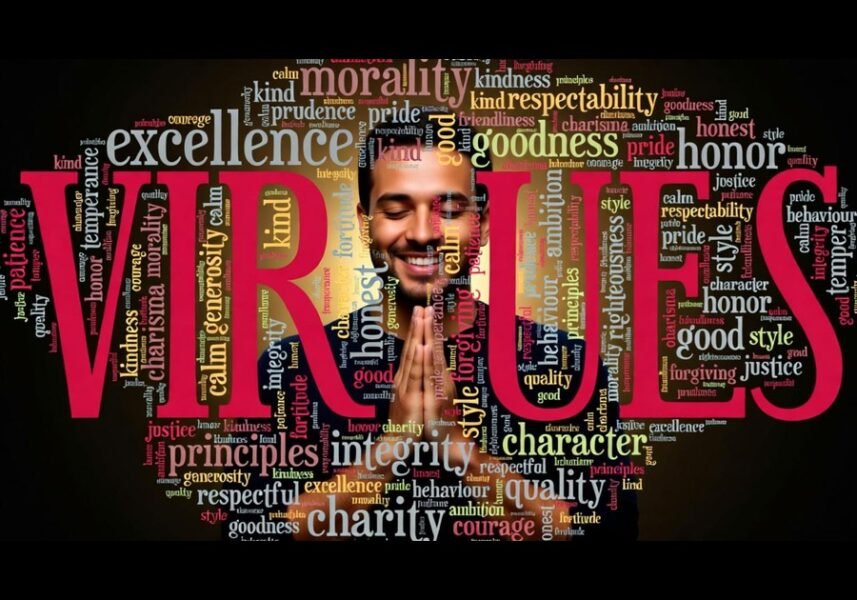
I’ve always been an Interdisciplinary Thinker, drawn to the intersection of spirituality, psychology, and the ways different cultures and religions shape human experience. Even before I had the words for it, I instinctively saw people simply as people — beyond labels, backgrounds, or beliefs. Over time, this curiosity led me to explore the shared wisdom that runs through various cultures and faith traditions.
I now consider myself a Perennialist or Universalist — someone who seeks truth across all religions. My spiritual journey has only confirmed what I’ve always felt: we are human in the same way, connected to the same divine source, and each religion offers its own pathway for refining the soul and cultivating strong character. Whether through Christianity, Hinduism, Buddhism, or any other tradition, the core teachings remain consistent: live with love, integrity, humility, and let your soul reflect the divine.
For the last year and a half, I found myself living close to the Golden Light Spiritual Church in Mount Eden, Auckland. I had just moved around the corner when a simple sign caught my eye: “Everyone welcome, Sunday at 2pm.”
One cozy Sunday afternoon, I decided to walk in. Heads turned as I entered, and I was met with warm smiles from strangers who felt strangely familiar. Within minutes, I was wrapped in an atmosphere of laughter, song, and a presence that felt like pure love.
Soon, Sundays became sacred. We sang together, listened to heartfelt sermons, and attended classes that wove spirituality and science into one tapestry. Mediums connected with spirit. The choir sang 90s favourites like “Love Will Keep Us Alive” and “Let It Be.” I loved every bit of it.
For the first time in many years, I felt a genuine sense of belonging in Auckland—a community grounded in compassion. The church emphasised virtues such as honesty, kindness, generosity, and integrity; qualities that shape a meaningful life.
As a Pranic Healer, I realised how familiar these teachings felt. Master Choa Kok Sui, the founder of Pranic Healing also emphasises character building through five key virtues practiced across five days: loving-kindness and non-injury, generosity and non-stealing, honesty and non-lying, constancy of aim and effort, and moderation. The overlap was undeniable. Both spiritual and religious traditions were pointing toward the same foundations: love, truthfulness, intentional action, and conscious living.
Over time, I began offering Pranic Healing sessions to members of the church. Interestingly, the more I embodied these virtues, the more powerful and grounded my healing work became.
That experience sparked something deeper in me. I wanted to understand the values I kept hearing—love, kindness, faith, hope—from a broader lens and that journey eventually transformed into this blog.
What Are Virtues?
A virtue is an inner quality that expresses goodness, the ability to act from love, not fear. It’s not about being perfect. It’s about staying aligned: choosing integrity, empathy, and balance, even when it’s hard. In the Bible, virtues are called “fruits of the Spirit” , signs that a person’s life is guided by peace and love, not by chaos or ego.
The Three Spiritual Anchors & The Four Cardinal Virtues
The spiritual anchors — Faith, Hope, and Love (Agapē) connect us to the Divine.
As Scripture says, “And now these three remain: faith, hope, and love. But the greatest of these is love.”
The cardinal virtues — Prudence, Justice, Fortitude, and Temperance act as our moral compass.
Practiced together, these virtues guide both the heart and the mind, offering a holistic path to living with clarity, compassion, and resilience in an increasingly chaotic world.
Practical Guide to Virtues in Modern Life
Modern science is finally catching up with ancient wisdom. Practices once rooted in spiritual traditions are now being validated by research like gratitude journaling, forgiveness rituals like the Hawaiian Ho’oponopono prayer (which I personally practiced regularly for a year to release resentment and heal relationships), and cultivating faith over fear during difficult times.
These timeless virtues have carried me through some of the hardest chapters of my life — helping me let go, trust the process, and step into the new life I’m living today. You don’t need to be religious to draw wisdom from the Bible. Think of it as a handbook for emotional maturity — a mirror that reflects who we are and who we can become.
Virtue is about practice and not about being perfect. To slowly choose small, daily choices that lead us closer to integrity, balance, and inner peace.
Journal and Reflection Prompt: Which virtue are you being called to practice today? Perhaps it’s patience in traffic, courage in a tough conversation, or compassion toward yourself. Start with one. Repeat it until it becomes your nature. That’s how character with compassion are built. Here’s how they can be practiced daily.
Honesty: Speaking the truth with clarity and kindness.
Practice it: Be truthful without being harsh. If your words aren’t kind or necessary, choose silence. Honesty lands best when delivered with respect.
Discernment: Knowing when to speak, how to speak, and when to pause.
Practice it: Before responding, ask yourself: “Is it true? Is it kind? Is it helpful?” Discernment helps you stay honest without being rude or reactive.
Humility: Staying grounded without pride or self-diminishing thoughts.
Practice it: Admit when you don’t know something. Celebrate others without comparing yourself. Always stay humble and neutral in your wins and losses.
Patience: Responding with calm instead of reaction.
Practice it: Pause before you speak. Slow your breathing. This builds emotional regulation and helps you release the need to control uncertainty.
Kindness: Offering gentle care and understanding.
Practice it: Speak softly. Check in on someone. Small acts of kindness create strong, healthy relationships.
Forgiveness: Letting go of resentment to reclaim peace.
Practice it: Journal your hurt, name the lesson, and release the emotional charge. Forgiveness lowers stress, anxiety, and even blood pressure.
Gratitude: Noticing the good — even in difficult seasons.
Practice it: Write three things you’re grateful for daily. Gratitude improves mental health, sleep, and overall well-being.
Compassion: Letting empathy move into loving action.
Practice it: Put yourself in someone’s shoes, then ask how you can ease their burden — even in a small way.
Peace: Choosing harmony within yourself and with others. When angry or irritated, reflect what a person filled with love and compassion would do?
Practice it: Set boundaries, choose peaceful resolutions and prioritise rest and meditation.
Faithfulness: Staying consistent with your values, relationships, and purpose.
Practice it: Follow through on your commitments, even in small tasks. Integrity builds trust — inward and outward.
Hope & Faith: Being okay with uncertainty by accepting life is full of changes.
Practice it: During hard moments, remind yourself: “This feeling will pass.” Hope and faith build resilience, especially after trauma.
The Common Thread of Virtues: Bible and Pranic Healing
Both the Bible and Pranic Healing teach that:
Whether through scripture or energy teachings, the essence is the same:
Love deeply. Give generously. Speak truthfully. Act consistently. Live with balance.
That’s the universal path to becoming a more conscious, compassionate human being. Virtues are medicine for the mind and heart.
At Serenova Coaching, we believe wisdom doesn’t belong to any one tradition, it’s humanity’s shared inheritance. The virtues of the Bible remind us of this: that even in chaos, we can choose love, patience, courage, and peace. And that’s where transformation begins.
Further Reading from Serenova Coaching to understand more about virtues and ancient wisdom:
Frequently Asked Questions
Serenova Coaching copyright ©2026. All rights reserved. The brand, logo, and its content are copyrighted. For more details, please read our Privacy Policy.